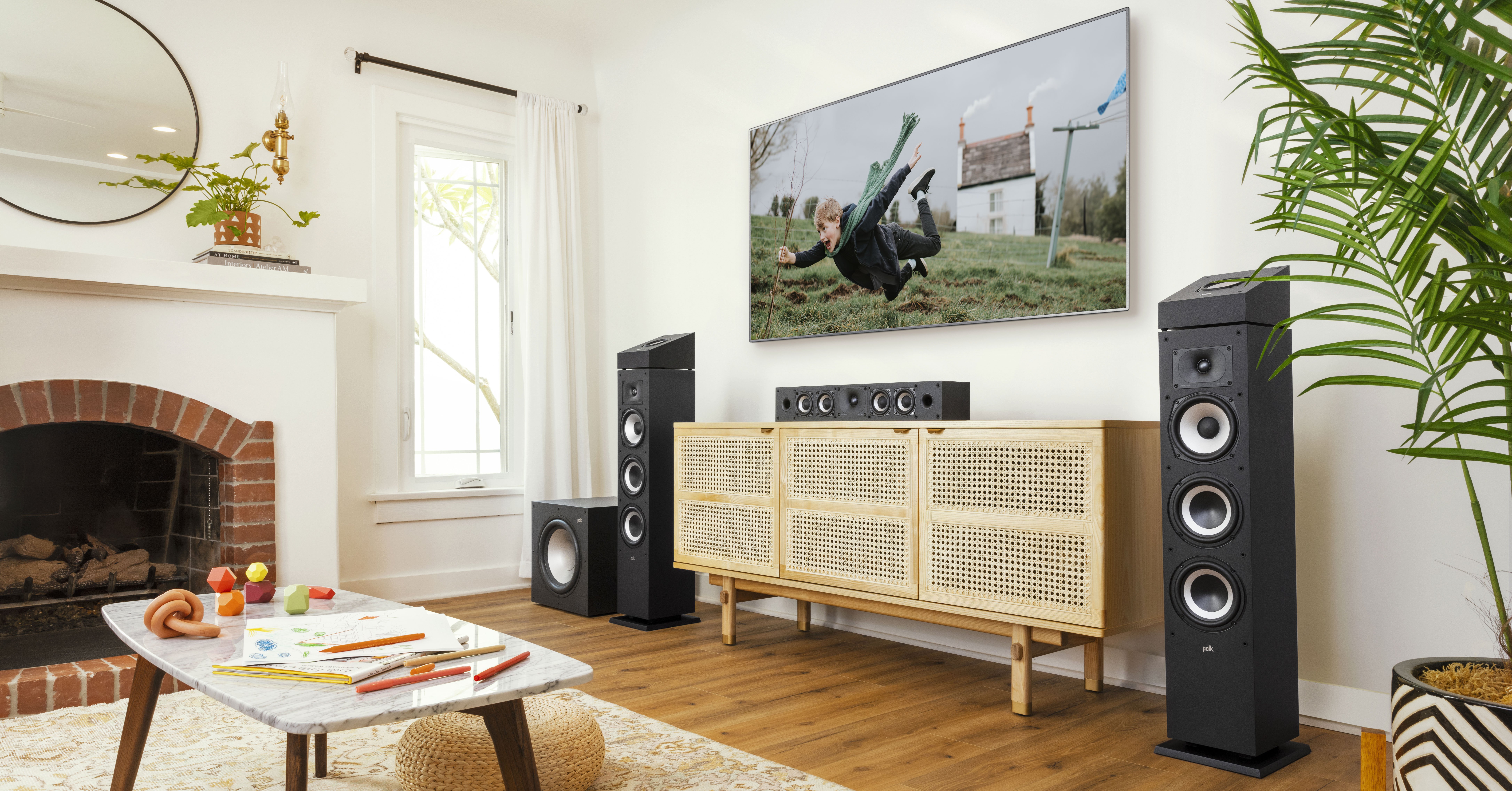
How to build a home theatre system on a budget
A great A/V system in your living room doesn't have to cost a fortune.

In this article: we discuss how to get a better home theater experience without buying a ton of gear all at once. Let's start with what you have, then decide what to improve first.
We'll also cover some general tips and tricks for bargain hunters.
Few things feel as relaxing as finally sitting down in the evening to enjoy a movie or binge your latest streaming obsession. The sumptuous visuals and powerful sound you can get from a solid home theater amplifies that feeling, helping to make a long day feel a million miles away — if only for a couple hours.
The good news is that getting there doesn't have to drain your bank account. While a full system can feel like a big investment, you can easily break that expenditure up, spreading the cost over multiple purchases. When I decided to spruce up my home theater a while back, I started with a new TV. I'm a big gamer, so I wanted to make sure I was getting the most out of my PS5. A few months later, I grabbed a sound bar to give my audio a boost as well.
When you add components as you go, you can find yourself with a much larger system than you might expect. This means that budget shopping for an A/V system is often more about long-term planning than finding something cheap in the moment.
So, what's missing from your setup?
TVs and screens
A big part of home theater is unsurprisingly the "theater" part. Sharp visuals help you clearly see the action, and the bigger the screen, the more immersive your experience will be.
It used to be the case that getting a big screen was prohibitively expensive. That's increasingly less true with modern flat-panel TVs. Picture technology also gets incrementally better each year. This means that even more affordable models can look as good or better than a higher-end model from a few years ago.
When it was time to upgrade, I picked up a 55" LG OLED. I went for one from the previous year. I then waited until it was available in "open box" from our Outlet, snagging a decent discount in the process. Budget shopping is all about patience and planning, after all.
TVs
Finding a TV that will fit your space and budget shouldn't be too difficult. If you don't have a 4K TV yet, you might also be surprised by how good everything looks on it. I know I spent days remarking to myself how pretty this or that looked aftering picking up mine.
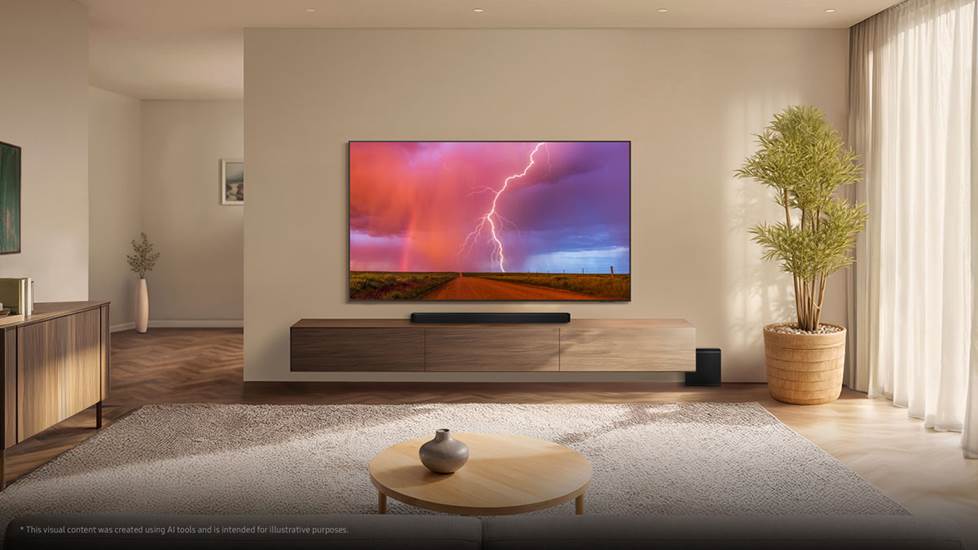
A solid home theater is about more than audio. Adding a 4K TV to your system is great first step towards a more immersive movie night.
There are a lot of factors that impact picture quality, but for the most part, better-looking TVs use advanced backlighting technologies like Mini LED or OLED. These tend to cost more, but if you shop smart, you can still find a relative bargain on higher-end models.
When I picked up my LG OLED, I went for a solid mid-tier model. Does it look as great as the highest-end TV in LG's lineup? Of course not. But you don't miss what you don't see, as they say. And it looked way better than my old TV.
Head over to our TV buying guide for plenty of useful advice on how to choose. And if you're trying to figure out the right size TV for your room, then check out our breakdown of TV sizes and viewing distance.
Projectors
TVs aren't the only way to get a sharp-looking picture. We also carry a ton of solid projectors and screens to go with them. The biggest upside of a projector is that you can match them to massive screens for far less money than an equivalently-sized TV.
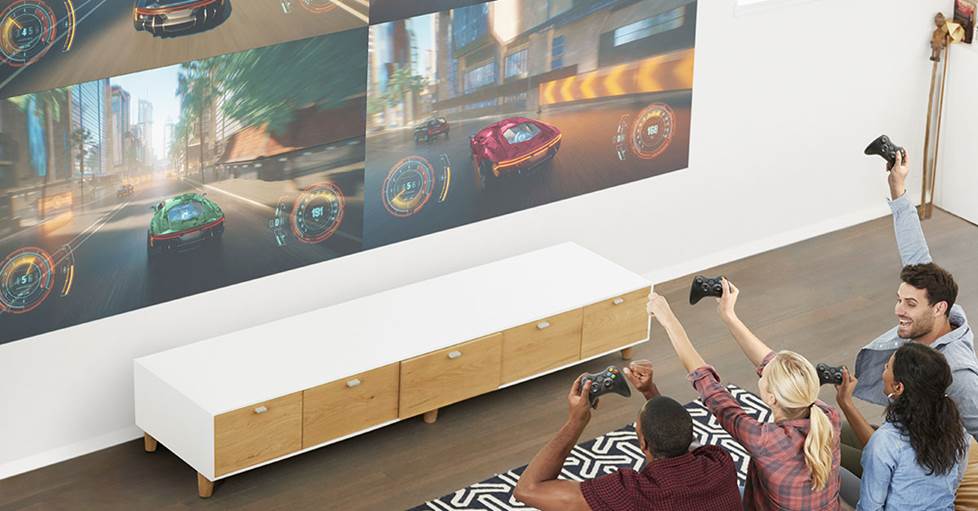
Adding a projector to your system can net you a massive viewing area for less cash than a TV of the same size.
There are projectors for less than $1,000 that can work with screens 100" or bigger. A TV of the same size would be astronomically expensive in comparison. And plenty of Wi-Fi projectors come with built-in streaming apps, just like a smart TV. If you don't want to think about hooking up a sound system right off the bat, look for a model with built-in speakers.
Projectors require a little extra planning, but not as much as you'd think. And if you don't want to worry as much about the logistics, look for a short-throw projector. Speaking of, if you expand your idea of what a "home theater" can look like, a portable projector can be a surprisingly robust and flexible way to create one. These tend to require very little real estate and can easily be relocated from room to room, or even taken outdoors for cookouts and the like.
Head over to our projector buying guide and projector screen buying guide for a deeper look. Our lists of the best home theater projectors and best portable projectors are also great places to start.
Video streaming
If you have an older TV that you're comfortable with and want to keep, it may still be missing some modern features, like the built-in video streaming that's now standard for newer smart TVs. Fortunately, that's an easy fix. You could hook up another component like a Blu-ray player or video game console that has streaming built-in. There are also dedicated media streamers like the Apple TV 4K that will plug right into a TV's HDMI port.
Sound systems
Almost all TVs have built-in speakers, but they tend to be pretty tiny and just can't measure up to dedicated home speakers. One complaint we get a lot is that dialogue can be difficult to understand. After I purchased my current TV, the next step was to boost my audio. I saved up again and snagged a JBL sound bar a few months later. My movie nights have never been better, but that's only one way to crack this egg.
We'll run through a few ways to build a sound system below, in order from the simplest to the most complex. We've also included a quick reminder about an essential ingredient for any great sound system: bass!
Sound bars
Sound bars have become one of the most popular options for TV sound. Their low profile and narrow footprint lets them fit right under most TVs. Sound bars pack multiple speakers into a single bar, producing expansive audio for their relative size. There's also a solid selection of bars that can be wall-mounted for a clean, space-efficient setup. And they're a cinch to install, which is a big part of why I went with a sound bar.
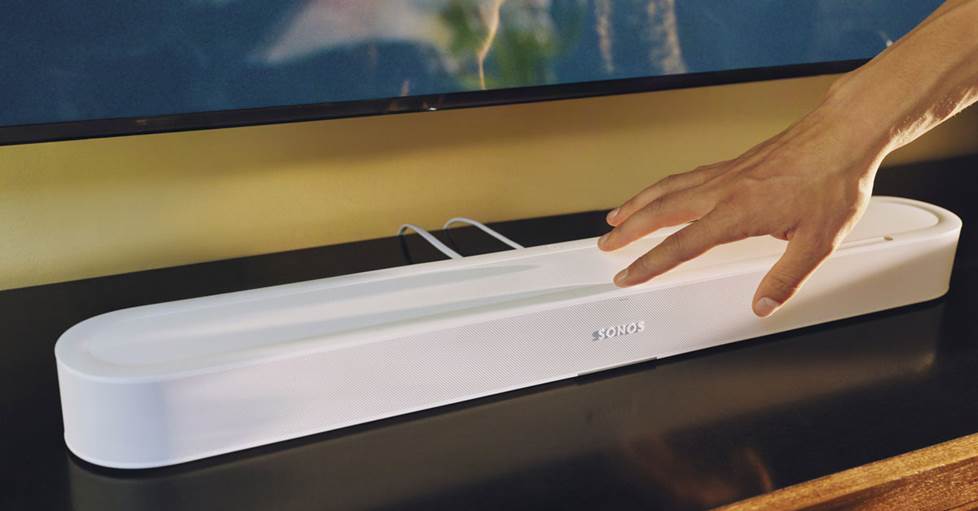
Sound bars are easy to set up and lots of models are comparatively inexpensive.
Many sound bar systems include a wireless subwoofer to add deep bass to your music and low-end rumble for movie night. And some also include wireless rear speakers, giving you true wraparound effects for immersive surround sound. Plenty of sound bars give the option to add a subwoofer or rear speakers later, too, if you want to build your system up over time.
Check out our sound bar buying guide for more tips on how to pick a sound bar for your needs. We've also got a quick list of the best budget sound bars we carry to make things easy.
Powered stereo speakers
A lot of customers ask us: "can I connect speakers directly to my TV?" Well with the right pair of powered stereo speakers, you can! Powered speakers with HDMI or optical inputs hook right up to your TV with the corresponding cable. It's a simple and effective way to build a system. It'll also easily outperform your TV speakers.
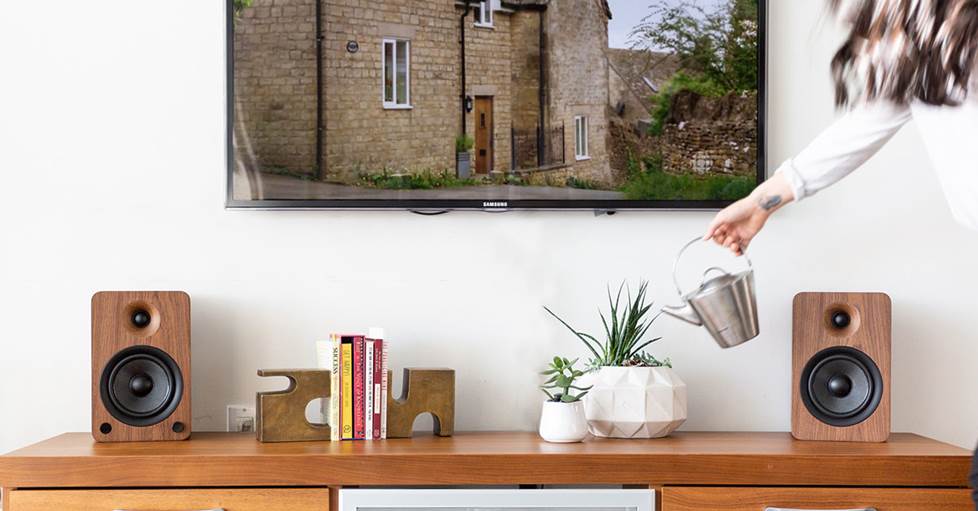
Powered stereo speakers give your sound a serious boost without a lot of fuss.
Most powered stereo speakers are of the bookshelf variety, which makes it easy to fit them into your entertainment space. They also work great as a music system when it's time to turn off the TV and dance. Much like sound bars, plenty of powered stereo speakers come with built-in Bluetooth or Wi-Fi for easy audio streaming.
Check out our list of the best powered stereo speakers for more details.
Receiver and speakers
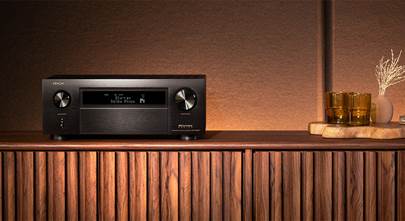
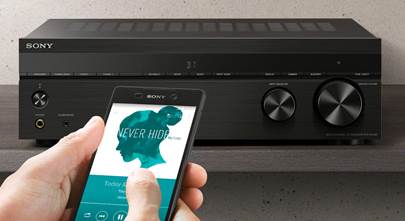
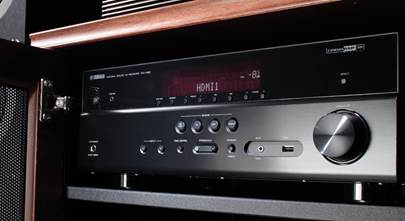
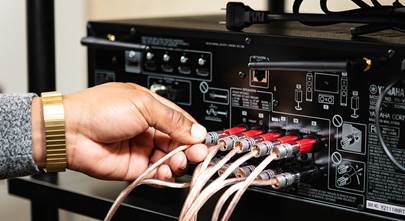
A full component system with a home theater receiver is the closest you're going to get to a movie theater experience from the comfort of your couch. A receiver acts as a hub for everything else in that system. Your TV and A/V sources connect to the receiver, which then provides signal and power to the speakers, giving them the benefit of the receiver's powerful processing and surround sound decoding.
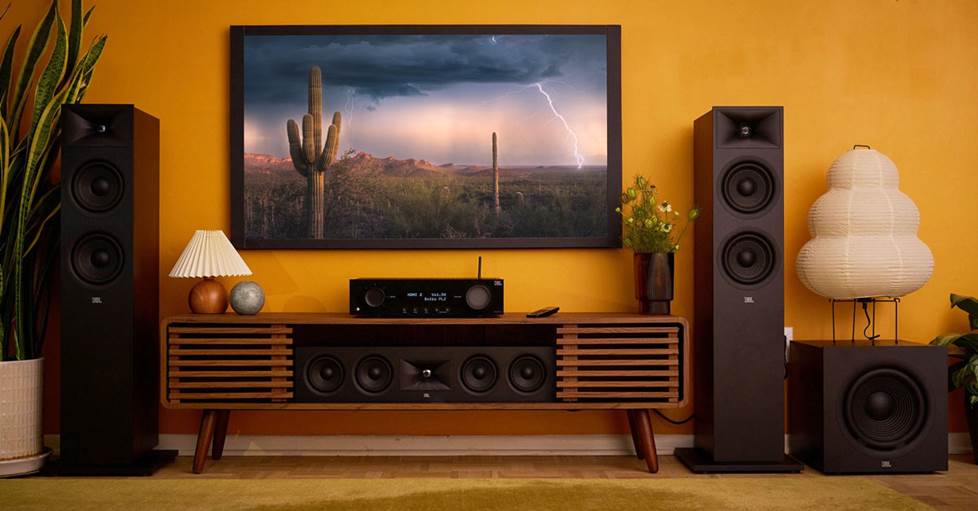
With a little patience you can build your component system over time, helping you afford something bigger and better in the long run.
You'll need a loose plan for how big you want your system to be and how much room you want to leave for future expansions. You need one channel per speaker you plan on including, in most cases. The baseline for home theater is usually five channels, but if you get a receiver with more, it can give you room to expand later.
The simplest type of component system you can set up is stereo: one receiver and two speakers. You'll want to opt for a stereo receiver with an HDMI input if you're looking to use it in your home theater. This can end up saving you some money while still giving you excellent sound.
The first speakers you'll need are your front left and right. These two make up the front soundstage, which is the "meat and potatoes" of your listening experience. Your options are bookshelf speakers and floor-standing speakers.
Bookshelf speakers will usually be less expensive than floor-standers and still offer a big improvement over your TV sound. Floor-standing speakers will generally outperform bookshelf models, especially in the bass department, and if you're only getting one pair of speakers, you'll have more room in your budget to go big.
The next piece to look for is a dedicated center channel speaker. The center channel handles key sounds like dialogue, helping to separate them and stage them closer to the screen. This prevents these sounds from getting lost in the mix. A 3-channel system is comprised of two bookshelf or floor-standing speakers (left/right) and a center channel. This configuration will net you a great-sounding system that you can add on to as you're able.
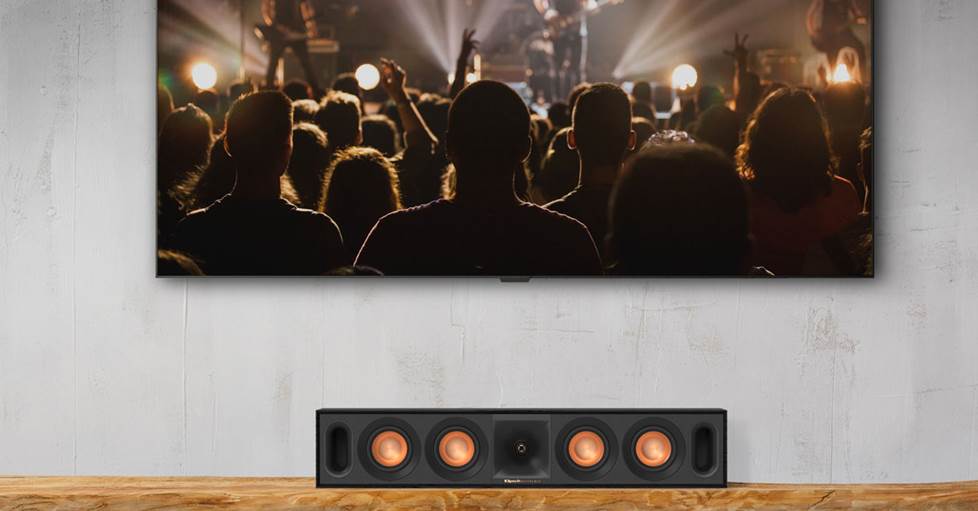
A good center channel speaker is essential because it handles vital sounds like dialogue.
If you're already running a 3-channel system, you can add two more speakers to the rear of your room to provide true surround sound. This gives you the classic 5-channel experience of a traditional home theater. Sound that comes from all around you lets you immerse yourself even deeper into your movies and shows.
Bookshelf speakers are a great pick for your additional surround channels. And if you have extra channels available, you can go even farther over time. Another pair of surround speakers will give you an expansive 7-channel system. If you want a quick list of easy targets, head over to our best budget bookshelf speakers.
We have a complete beginner's guide on home theater receivers if this is all a little new. Our list of the best AV receivers is also a great place to start. And if you're looking for matching speakers, check out our guide on how to choose home theater speakers.
Don't forget your bass!
No matter what size component system you're running, you can benefit from a powered subwoofer. This fleshes out your bass tracks and brings your movies to life with immersive impact to match the action onscreen.
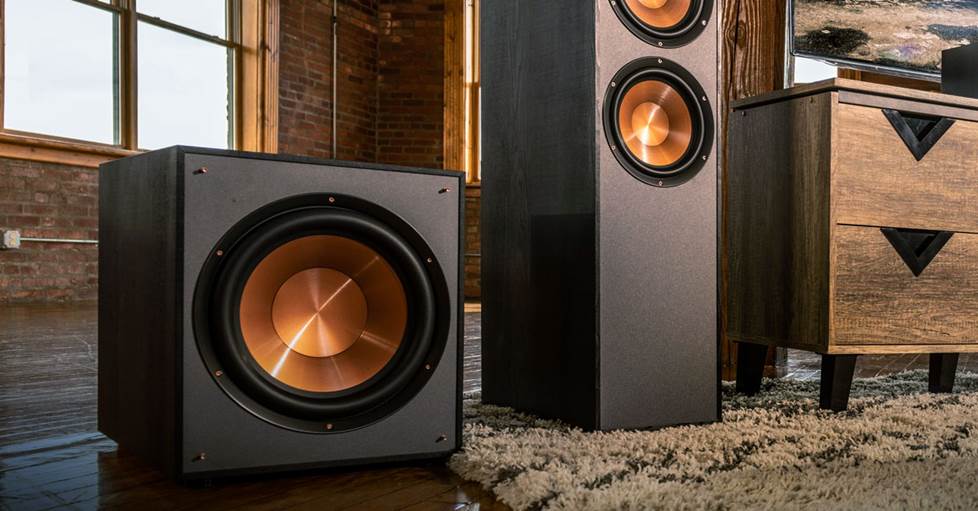
We firmly believe in bass — adding a subwoofer helps inject life into everything you listen to.
If you really love bass, you can potentially add even more subs over time. Few things rock like a home theater system with room-filling bass thanks to two or more subs.
We truly believe that virtually any home sound system is better with stronger bass, which is what a sub is all about. Check out our list of best budget subs for some go-to options.
What about Dolby Atmos?
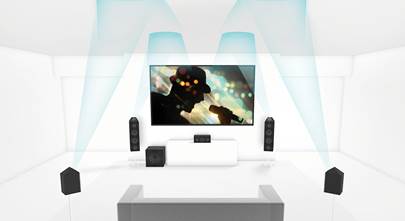
You might think that Dolby Atmos is out of the question for a budget system. Not necessarily. There are plenty of sound bars with up-firing drivers or height virtualization. You can also build up to it with an Atmos receiver, just like the 5 and 7-channel systems we mentioned earlier.
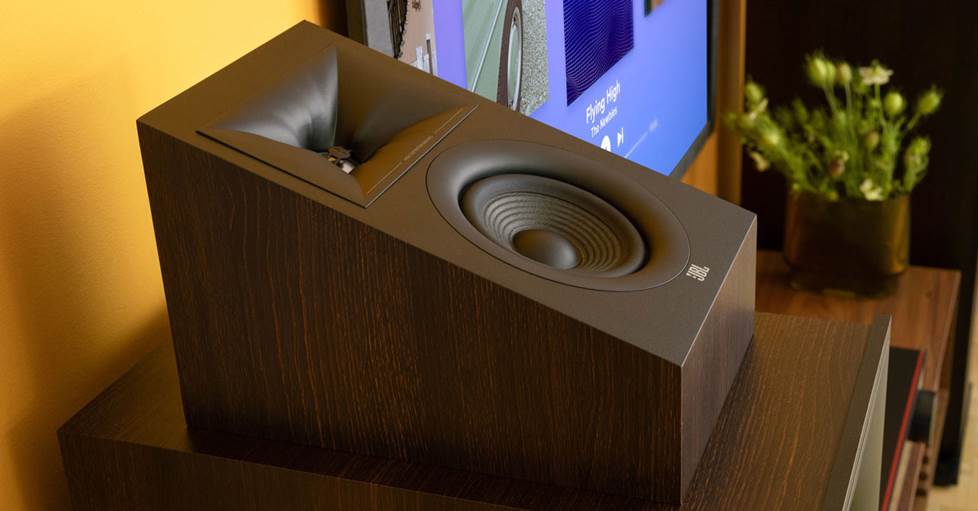
You can build up to a Dolby Atmos system with simple solutions like up-firing "toppers."
If you're not interested in installing an in-ceiling speaker, there are Dolby Atmos-enabled floorstanding and bookshelf speakers with up-firing drivers, as well as up-firing "toppers" that literally sit on top of your other speakers. If adding even more speakers to your system is outside of your budget or plan, there are also home theater receivers with height virtualization.
Up-firing speakers and virtualization won't be quite the same as a down-firing in-ceiling speaker, but you'd be surprised by just how well these do work. Check out our DTS:X vs. Dolby Atmos article for more details.
Bargain hunting 101
You may find the quality and features that you're looking for in a sound system would take a bigger bite out of your wallet than you'd like. That's okay, you only need to be a little patient and look in the right places. Chances are, you'll be able to find what you're after or something very close. I'm an unabashed bargain hunter, so let me walk you through some of my own strategies for finding a good deal.
Last year's models still rock
Many A/V manufacturers update their lines on a yearly basis. And technology gets incrementally better each year, but the margin of that improvement isn't all that wide. This means the easiest way to get a good deal on a great system is to look for components from the year prior — while they're still in stock.
Last year's models may not be quite as fancy as this year's, but they'll usually be pretty darn close. This is exactly what I've done for a few A/V purchases. I kept an eye on the model I wanted, waited for the new version to come out, and then struck when the price (and stock) was low. I've saved a decent amount of cash in the process each time.

Head to our full list of deals if you're hunting for a great bargain on high-quality gear.
Wait for a sale
If you've got a little time on your hands, you can wait for big sales, like Black Friday or Cyber Monday. If you don't want to wait until the Holiday season, you can also add an item to your wishlist on our website. While signed into your account with us, you can set up notifications for special offers on anything in your wishlist. This will hook you up with an email if an item you're eyeballing ends up getting a sweet deal down the line.
We also offer 60-day price-drop protection on everything that we sell. Basically, if you purchase a TV from us and we drop the price within 60 days after you purchased it, we've got your back. Just get in touch with our Customer Support team and they'll refund you the difference. Cool, right?
Buy from Outlet
You can find solid deals in our Outlet. Our team thoroughly inspects and tests all of our Outlet items to ensure they're in good working condition. We have a ton of items in our Open Box and Scratch & Dent categories. It's an easy way to find high-quality gear with a hefty discount.
Open Box items are "like new." The original packaging has just been opened at some point. I've picked up several items from Open Box stock over the years and have never been disappointed. I've yet to get an item I could even tell was from Outlet when it arrived.
Scratch & Dent might sound ominous, because these items can have cosmetic damage, but the key word there is "cosmetic." Our Scratch & Dent items cannot be sold with any kind of truly functional damage. It's not for everyone, but I for one don't care if there's a little nick on a speaker's housing if the cone is doing all the work anyway.
We can help!
If you need a little guidance, don’t hesitate to get in touch with one of our friendly Advisors. They can help point you towards the right system for your needs.
And if you're looking for a little help installing or troubleshooting your gear, don't forget that free lifetime tech support is included with your Crutchfield purchase.



Comments (0)