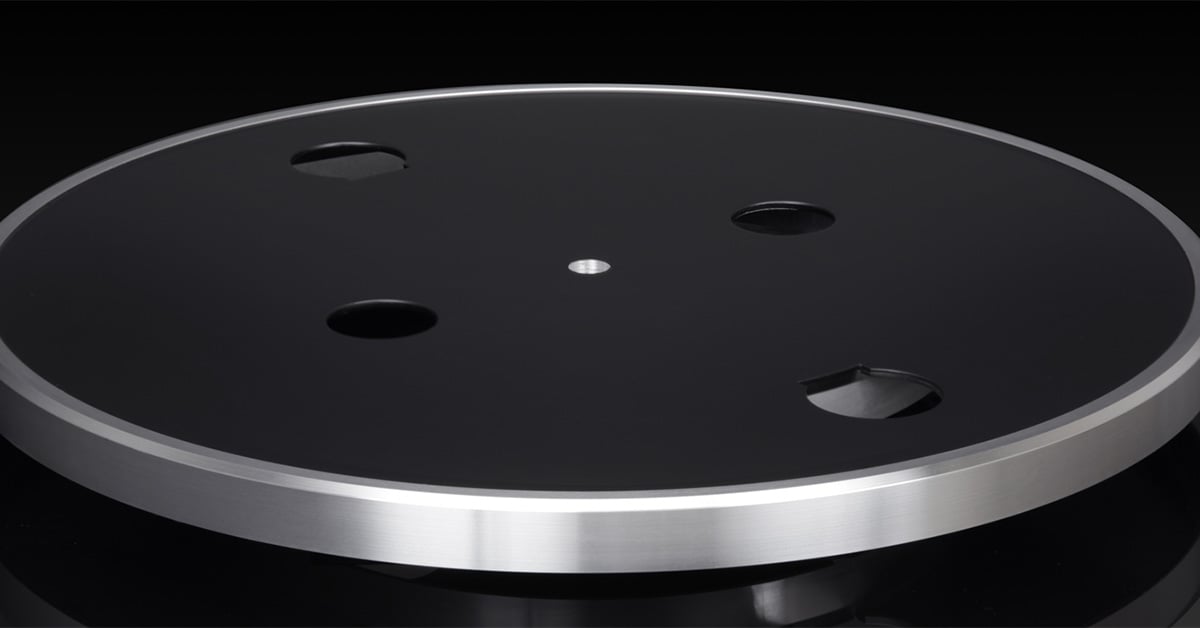
Why your turntable's platter matters
The hidden impact of platter material on performance and tonal balance

In this article: We’re diving into your turntable’s platter and how it shapes your vinyl’s sound. We'll cover all the basics, including...
- Common platter materials and the sonic impact of each
- Platter mats — how they do more than just prevent slippage
... and we'll also talk about other accessories that can fine-tune your listening experience.
Your turntable might look sleek and simple, but under the hood, it’s a well-tuned machine working together to make your vinyl sing. From the tonearm to the cartridge, every piece pulls its weight — or counterweight. (Get it?) But the platter is a key player. This unsung hero controls vibrations, keeps playback steady, and sets the tone for your music.
Let’s dive into why the platter matters — and how it works its magic alongside the rest of the parts.
What is the platter on a turntable?
The platter (A) is the big, round platform where your vinyl spins. Think of it as your record’s dance floor — shaping the music you hear by providing a stable, smooth surface for playback. It rests either directly on the spindle (C) or on a sub-platter (B) if your turntable has one. The spindle is powered by a motor under the platter or a belt connected to a pulley.
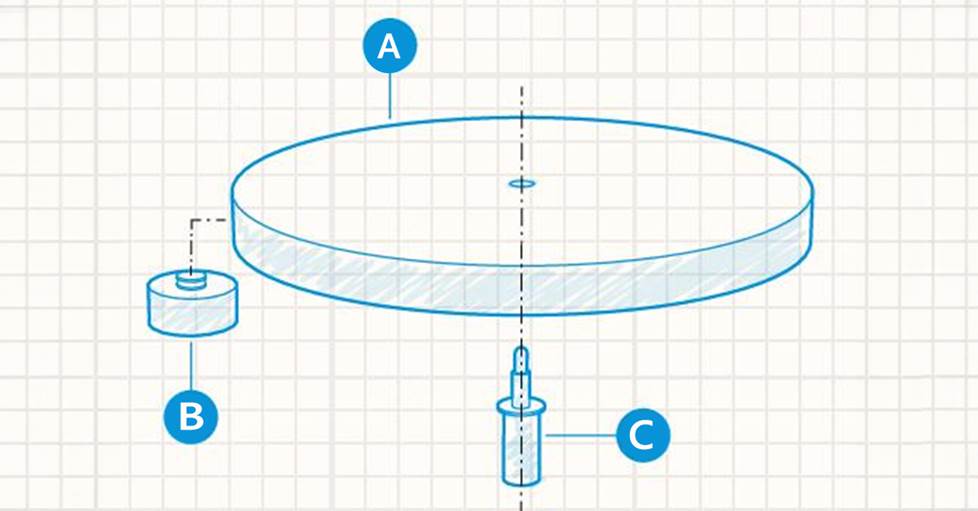
Here is a breakdown of how each component can affect the overall tonal character of your sound.
Platter (A): The material the platter is made of plays a huge role on tonal quality, and we'll break down how different materials contribute to the overall sound below.
Sub-platter (B): Sits between the spindle and platter, adding stability and precision. Usually metal or high-quality plastic, it ensures smooth, steady speed and cuts down vibrations for clearer, more accurate sound.
Spindle (C): The spindle is the axle on which the platter spins. A well-made spindle prevents wobble, which can distort sound, while a low-quality one might introduce unwanted noise.
How the platter is driven — either by a direct motor or a belt — plays a big role in sound quality. A direct-drive system, with the motor directly connected to the platter, delivers precise, consistent speed, making it ideal for high-performance listening. However, without proper isolation, it can introduce motor noise.
Belt-drive systems, on the other hand, separate the motor from the platter, often resulting in quieter operation. But they require perfect pulley alignment and belt tension to maintain smooth, consistent rotation and avoid pitch instability or distortion.
Each component works together to control vibrations, cut noise, and guide the stylus smoothly through the grooves — shaping the clarity, warmth, and overall character of your sound.
Now, let’s get to the real question.
Does platter material really make a difference?
Well, as a platter of fact — it absolutely does! Let’s look at common platter materials and how they shape your turntable’s sound.
Aluminum, Steel, and Alloy platters
Metal platters are common in entry-level and mid-tier turntables because they’re durable and provide a bright, clean sound. However, they can lack warmth and depth unless properly damped. Some manufacturers add damping rings, but if yours doesn’t have one, a damping mat can help reduce unwanted resonance.
Even though they’re similar, each metal type brings something unique to the ‘table:
- Aluminum: Lightweight, budget-friendly, and bright but may need tweaks for added warmth.
- Steel: Heavier, more stable, and delivers a richer, warmer tone.
- Alloy: A balanced choice, combining durability, performance, and versatility.
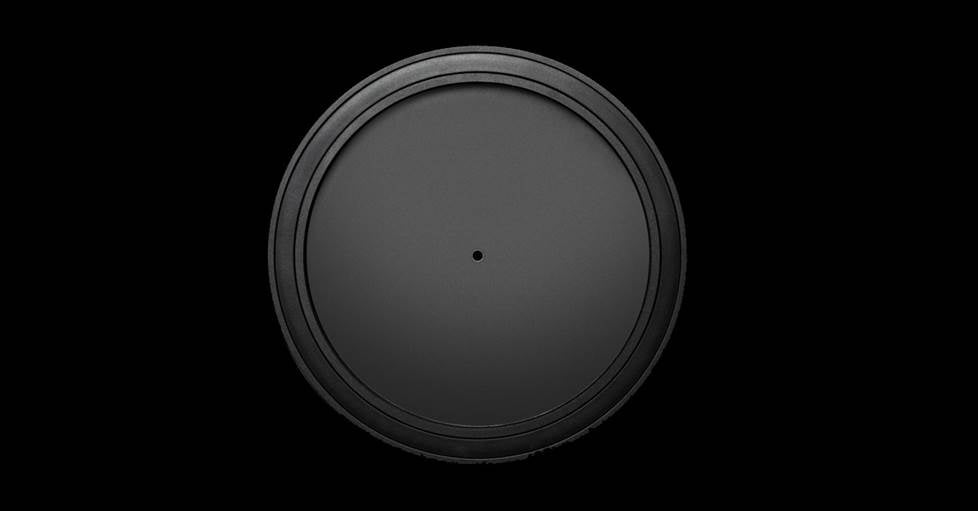
The TPE (Thermoplastic Elastomer) damping ring, shown here on the underside of a Pro-Ject aluminum platter, helps to curb unwanted ringing and resonance.
Acrylic
Acrylic platters are dense and rigid, making them great at controlling resonance and delivering a cleaner, more focused sound. Their neutral tone adds warmth, mirroring how vinyl naturally interacts with the surface.
While most mid-range turntables don’t come with acrylic platters, many offer an upgrade option — so you can get the sound benefits without needing a whole new turntable.
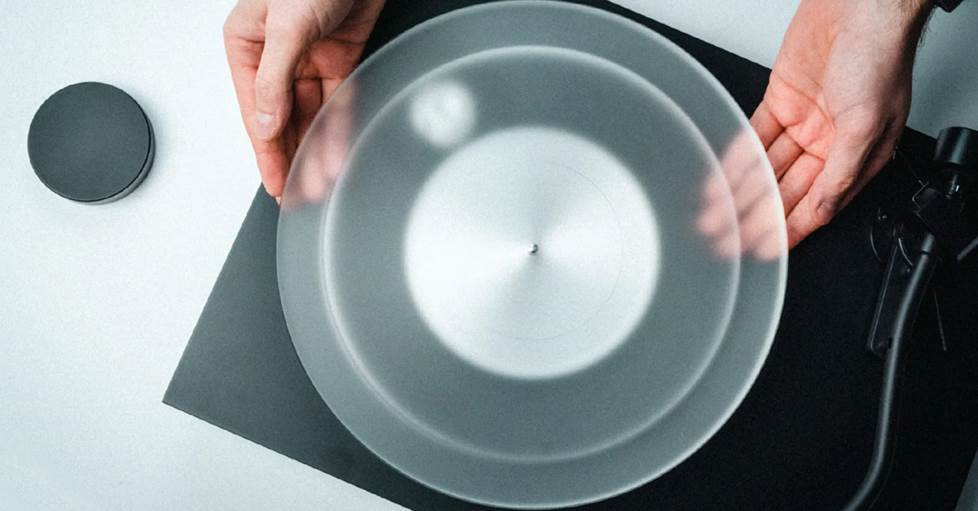
An acrylic platter upgrade is a great way to enjoy the benefits of acrylic, without having to replace your 'table.
MDF (Medium-Density Fiberboard)
MDF is a budget-friendly choice for manufacturers — with a warm, forgiving sound, and rugged durability. While it might not have the sharp detail of higher-end materials, pairing it with a good platter mat can improve its tonal clarity.
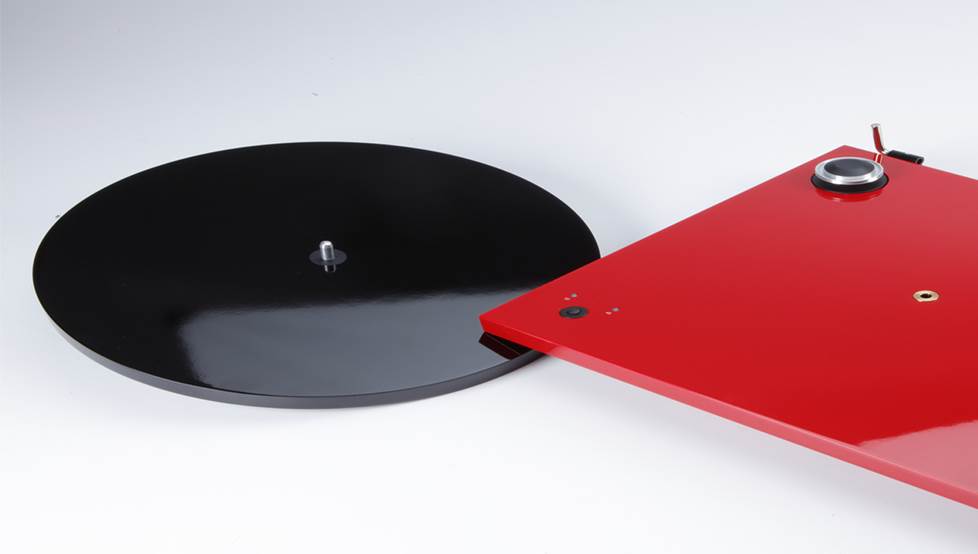
An MDF platter dampens vibrations naturally, delivering warmer, more consistent sound without breaking the bank. Its solid, reliable build is perfect for minimizing resonance.
Glass
Glass platters provide a great mix of weight and rigidity, resulting in detailed, dynamic sound with clear highs and impressive clarity. However, the density of the glass can add a sharper edge to audio if not properly damped. To tame that harshness, try a felt or rubber mat — both can soften the sound while adding warmth and balance to your records.
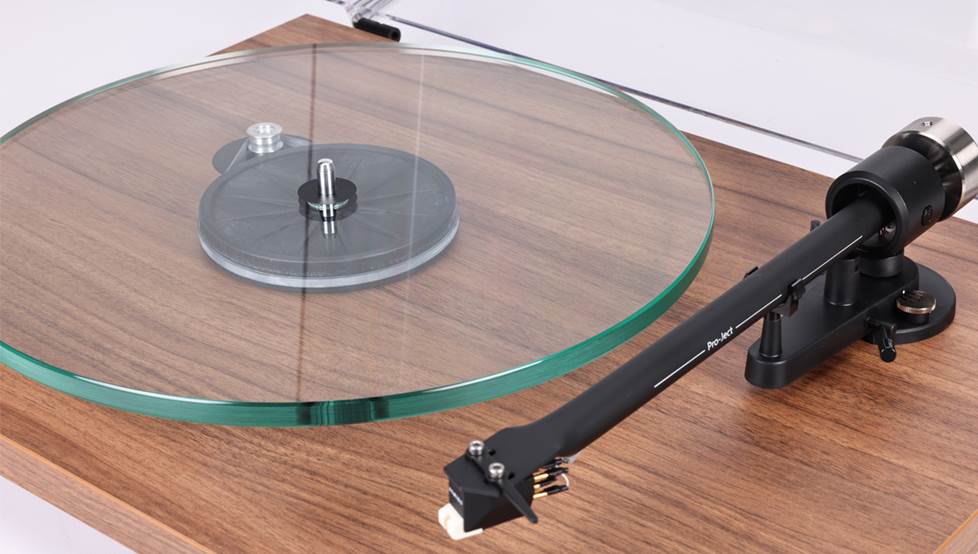
Glass platters add stability for a smoother, more consistent spin, improving sound clarity while looking sleek and stylish.
Delrin/POM (Polyoxymethylene)
Delrin platters are engineered for top performance, offering rock-solid stability and ultra-low resonance. This high-tech plastic delivers a warm, natural sound with deep, punchy bass, smooth mids, and crisp highs. Its vibration-damping properties help keep the music clear and focused.
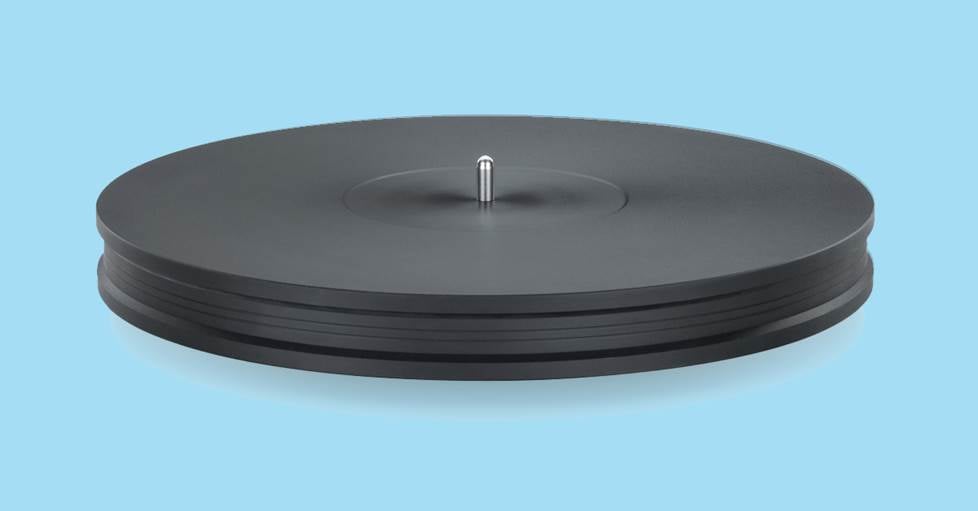
Low-static Delrin platters grip records well, making them a top pick for serious audiophiles.
We've mentioned platter mats quite a bit, so lets look at those in detail as well.
Do you need a turntable mat?
Platter mats — also called turntable mats, record mats, or slip mats — do way more than just stop records from slipping. They improve sound quality, too. Mats reduce static, protect your records, dampen vibrations, and even shape the tone of your music.
Here's a breakdown of common options:
Felt
Felt mats are a low-cost and easy-to-use option that comes in many colors and designs to match your style. They’re light and soft, making them simple to adjust or remove. They also do a good job of absorbing vibrations. DJs love them because their smooth surface makes scratching records easier.
However, they have some downsides. Felt mats attract dust, lint, and static, and they can wear out or lose their shape over time. While they create a warm, mellow sound, they don’t improve audio quality as much as other materials. Still, they’re an affordable way to personalize your turntable.
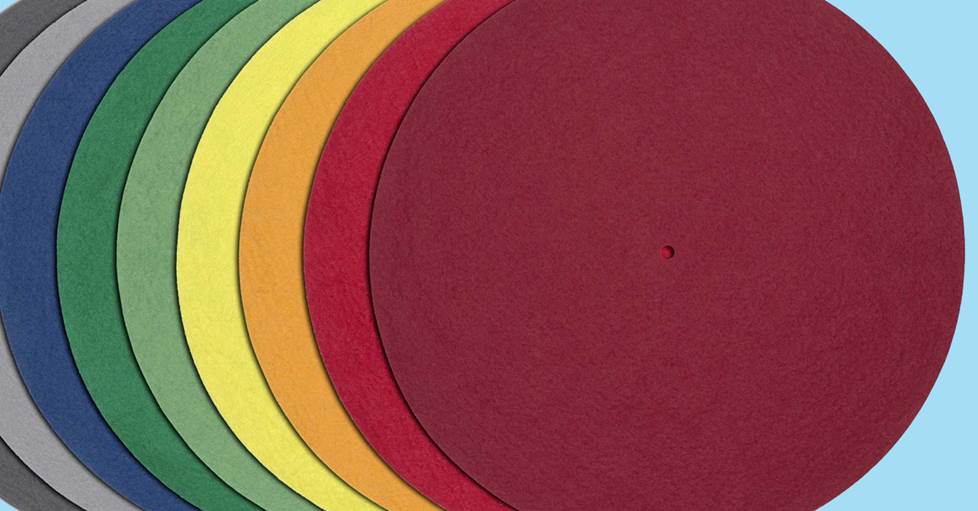
Felt mats are light, budget-friendly, and customizable, offering basic protection for both the platter and vinyl.
Rubber and Silicone
Rubber mats provide steady, balanced sound with great vibration control. They grip the platter and record well, keeping everything in place for smooth playback. They are more durable than felt mats, but they might have a smell when new, harden over time, and slightly reduce high frequencies. Some brands mix rubber with other materials to improve its ability to reduce vibrations.
Silicone mats, though similar to rubber, offer clean, controlled sound with better isolation and a hint of warmth. They are also quiet, detailed, and well-balanced across all frequencies. Plus, they’re easy to clean, long-lasting, and low maintenance.
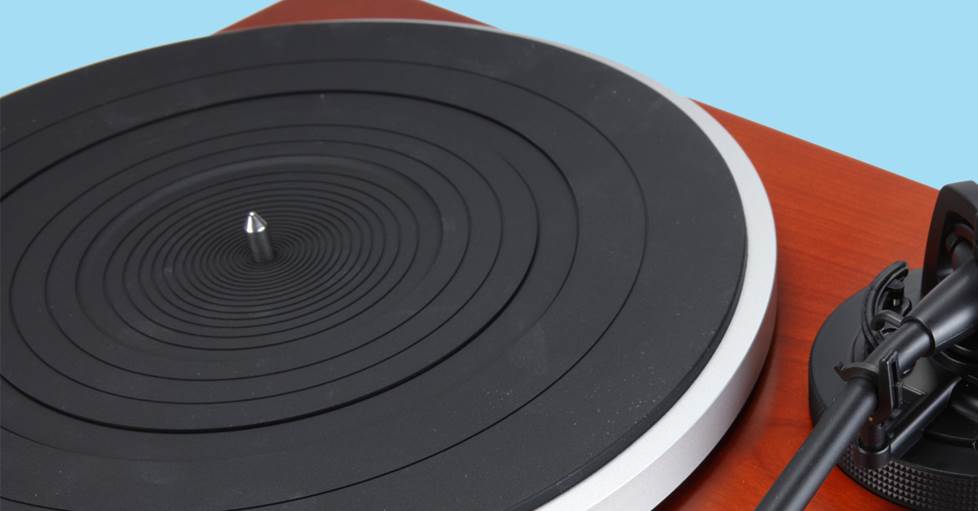
Rubber and silicone mats are strong, long-lasting choices that help prevent slipping and reduce vibrations.
Cork
Cork mats bring a natural warmth to your music, making vocals and instruments sound more lifelike. They help reduce vibrations, prevent slipping, and make lifting records easier by reducing static — all at an affordable price.
However, cork isn’t the most durable and doesn’t absorb vibrations as well as heavier materials. Even so, it’s a popular choice for those who want smooth, natural sound with a bit of warmth.
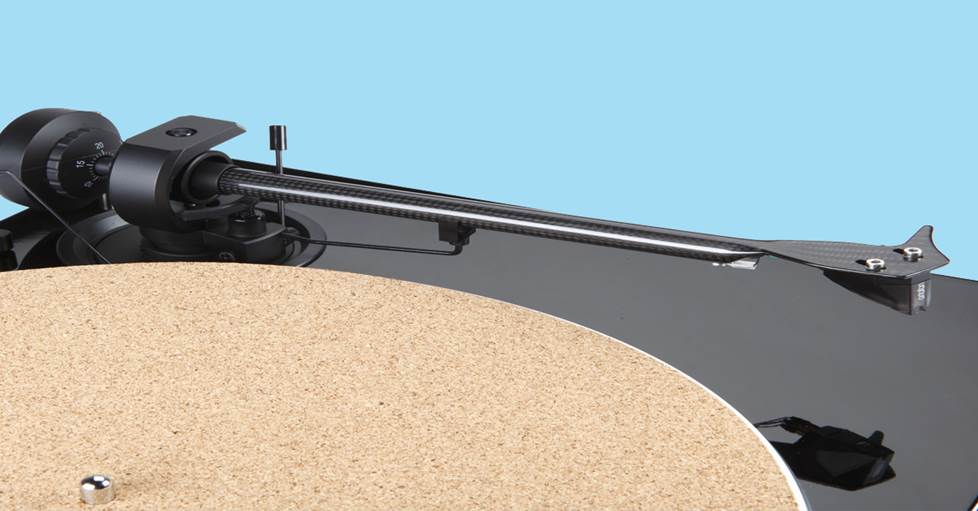
A cork platter mat improves sound quality by reducing vibrations, cutting down on static, and gripping both the record and the platter better.
Leather
Leather mats add a rich, warm sound with smooth bass and a touch of classic style. They enhance low-end tones, reduce static, and look sleek, making them great for vocal-heavy music or anyone who wants a high-end look.
On the downside, leather mats are more expensive, need regular care, and show fingerprints easily. Still, they’re a great pick for those who want both great sound and a stylish look.
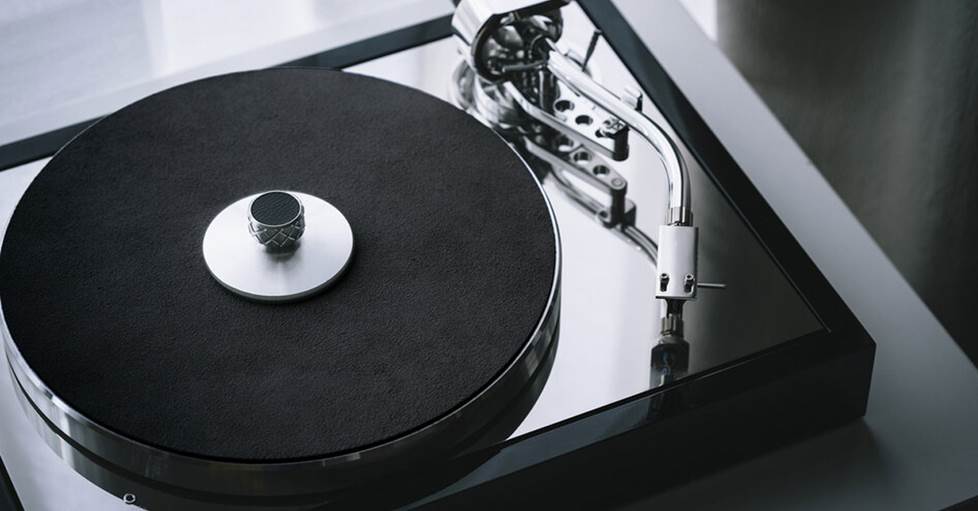
A leather platter mat adds a classy touch while reducing vibrations and static, creating a warm, refined sound.
These are just some of the most common mat options, but there are many more to explore — like carbon fiber, composite, or even rice or Washi paper mats. With so many choices, pick one that fits your budget, maintenance style, and sound preferences. Don’t be afraid to experiment! A felt mat on an acrylic platter will sound totally different from rubber or cork. The best part? Swapping mats is easy — just watch the thickness, as it can affect the tonearm’s angle.
Thinking about upgrading to a thicker mat? It’s a smart move only if you can adjust the tonearm height — so make sure your turntable offers a Vertical Tracking Angle (VTA) adjustment before making the swap.
Spin enhancers
There are plenty of accessories to pair with your well-chosen platter and mat to take your turntable’s sound and performance to the next level.
Record clamps or weights secure your vinyl firmly to the platter, making playback more stable and reducing vibrations for cleaner bass and midrange. Isolation platforms and feet help block outside vibrations, giving you a clearer, more focused sound. And, some brands even offer metal sub-platter upgrades for even better stability.
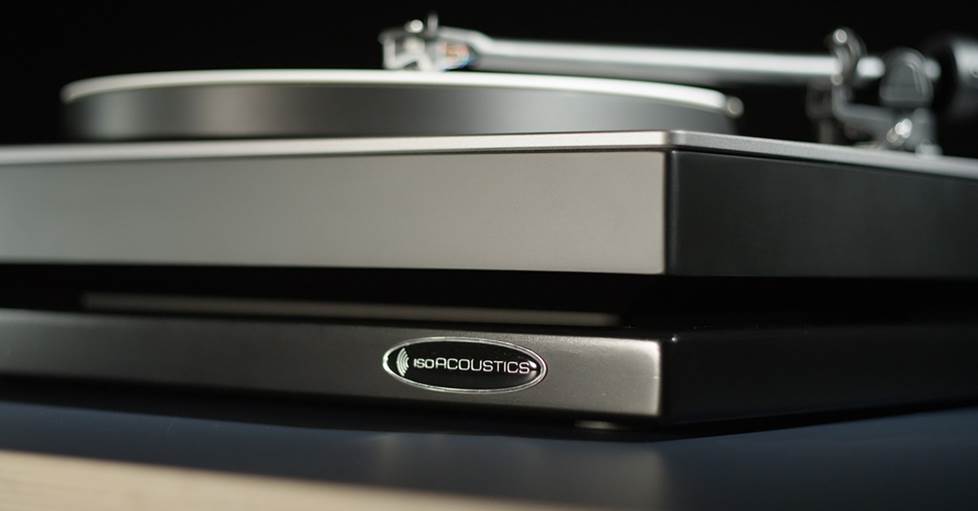
A turntable isolation platform reduces outside vibrations, giving your platter a smoother and steadier performance.
Let us help you pick out your system
Wading through the plethora of turntables we offer can be a bit intimidating. Don't worry, we’re here for you. If you have questions or just need a little guidance finding exactly what you’re looking for, you can always get in touch with one of our friendly Advisors. And don't forget, free lifetime tech support is included with your Crutchfield purchase.






Comments (0)